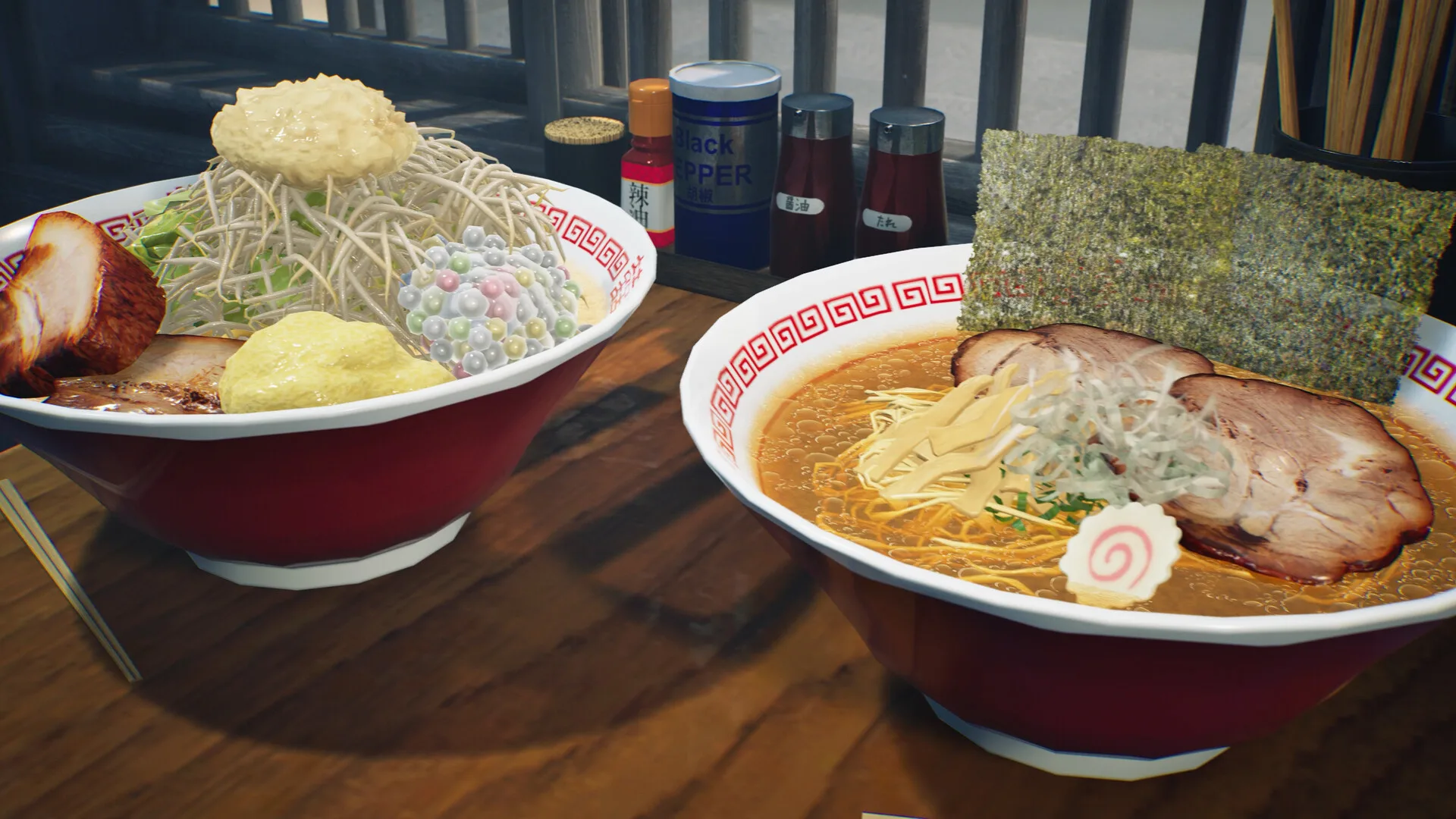
- Japanese Ramen Simulator staff exist to take over repetitive chores so you can focus on cooking and serving.
- Hire cleaning support first once upkeep repeatedly delays orders during busy service.
- Compare staff cost against lost revenue from delayed bowls before committing to any hire.
- Solo players should prioritize the task causing the longest interruption to their work loop.
- Co-op teams only need staff when all six players are locked into production or serving roles.
How Staff Work in Japanese Ramen Simulator
In Japanese Ramen Simulator, your restaurant's core loop—prep, cook, assemble, serve—can be derailed by repetitive chores like cleaning tables and washing dishes. Staff and assistance functions exist to absorb those tasks so your time goes toward high-value work. The key question is never "should I hire staff?" but "which repetitive task is currently costing me the most service speed?"
The game supports solo play and online co-op for up to six players, so staffing decisions change depending on how many hands are already in the kitchen.
| Task Type | Interrupts Service? | Frequency | Staff Priority |
|---|---|---|---|
| Table cleaning | Yes, during rushes | High | High |
| Dish collecting/washing | Yes, accumulates fast | High | Medium-High |
| Ingredient restocking | Sometimes | Medium | Medium |
| Customer service | Core task, not delegable | Constant | Player-controlled |
Hire only after a repetitive chore creates a measurable service delay. Staff salaries are a running cost, and an early hire before stable revenue can eat your profits.
Staff Roles Comparison: When to Hire Each
Each assistance role solves a specific bottleneck. Use this breakdown to match the role to your current problem.
Cleaning Support
- Function: Handles repetitive cleaning that interrupts the service loop
- Best time: When cleaning pulls you away from prep or serving during rushes
- Solo: High priority once demand makes upkeep impossible alone
- Co-op: Useful when every player is on production or serving
Dish-Handling Support
- Function: Reduces time spent collecting and washing used dishes
- Best time: When dishes pile up faster than players can process
- Solo: Consider early—dishes break the single-player cycle
- Co-op: Often better to assign one player; hire only if all are needed elsewhere
General Service Assistance
- Function: Covers routine tasks so players focus on prep and customers
- Best time: Stable demand with several duties competing for attention
- Solo: Prioritize the longest interruption in your loop
- Co-op: Cover neglected duties, never duplicate a covered task
No-Staff Operating Plan
- Function: All duties stay player-controlled
- Best time: Early game, low volume, or coordinated co-op
- Solo: Works with a compact layout and simple menu
- Co-op: Effective with clear role assignments
- Cost: Lowest, but demands strict task discipline
| Role | Best Trigger | Main Risk If Hired Too Early |
|---|---|---|
| Cleaning support | Cleaning delays orders repeatedly | Paying for help during low traffic |
| Dish-handling | Dishes accumulate beyond player capacity | Cost exceeds saved revenue |
| General assistance | Multiple duties compete constantly | Overlapping with player tasks |
| No staff | Early game or full co-op coverage | Burnout during sudden rushes |
Do not hire support before your restaurant can consistently afford its operating cost. Early Access balance updates may also change staff behavior, so recheck after each patch.
Step-by-Step: Building Your Staff Plan
Follow this sequence to decide when and what to hire, whether playing solo or with friends.
Track Your Bottleneck First
Spend one full service day noting which repetitive task interrupts you most—cleaning, dishes, or restocking. Do not hire based on assumption.
Estimate the Revenue Impact
Compare the cost of the assistance option against the revenue lost from delayed or abandoned orders. If delayed bowls cost more than the wage, hiring pays off.
Hire for One Role at a Time
Start with the single most disruptive task, usually cleaning support. Watch a full day of service before adding another role.
Adapt to Player Count
In co-op, first try assigning the chore to a dedicated player. Only hire when all six players are locked into production, serving, or coordination.
Recheck After Updates
Balance patches during Early Access can change staff behavior, costs, or task speed. Revisit your plan after each update.
Solo players get the most value from hiring whichever task breaks their cooking-serving cycle first—usually dish handling, since a single player cannot cook while washing.
Solo vs Co-op Staffing Recommendations
Staffing needs differ sharply between play modes. In solo runs, you are the entire workforce; in six-player co-op, flexible teammates can replace most hires.
| Situation | Recommended Plan | Staff Needed |
|---|---|---|
| Solo, first days | No staff, compact layout, simple menu | None |
| Solo, steady customers | Cleaning + dish support | 1-2 roles |
| 2-player co-op | Split prep/serving zones, one dish handler | Usually none |
| 6-player co-op, full roles | Dedicated zones, hire for neglected chores | Situational |
| Late-game solo, high volume | Full assistance coverage | Multiple roles |
| Co-op Role | Can Staff Replace It? | Notes |
|---|---|---|
| Order coordinator | No | Requires communication and judgment |
| Prep worker | No | Core production loop |
| Cook/assembly | No | Quality-critical, order matching |
| Cleaning | Yes | Best staff candidate |
| Dish handling | Yes | Strong staff candidate |
| Restocking | Partly | Depends on layout distance |
Use staff to cover neglected duties, never to duplicate a task a teammate already handles efficiently. Announce station changes before taking over another player's work.
Staff Optimization Checklist
Before and after every hire, run through this checklist to keep costs lean.
Before Hiring:
- Identify the single most disruptive repetitive task
- Measure whether delayed orders outweigh the staff cost
- Confirm the restaurant earns stable daily revenue
- Test a no-staff layout fix (shorter routes, closer stations) first
- Recheck staffing plan after every Early Access update
FAQ
Q: When should I hire my first staff member in Japanese Ramen Simulator?
Hire your first staff member only after a repetitive chore—usually cleaning or dish handling—creates a measurable service delay. If you can still serve every order on time while handling chores yourself, the wage is an unnecessary cost.
Q: What is the best first staff hire for solo players?
Solo players benefit most from dish-handling or cleaning support, because a single player cannot cook while washing dishes or tidying tables. Pick whichever task breaks your cooking-serving cycle most often.
Q: Do I need staff in six-player co-op?
Usually not at first. A coordinated six-player team can assign every duty—cooking, serving, cleaning, and dishes—to dedicated players. Hire staff only when all players are needed for production or serving and a chore goes consistently uncovered.
Q: Can staff changes come with updates?
Yes. Japanese Ramen Simulator is in Steam Early Access, and the developer has committed to ongoing updates based on community feedback. Staff behavior, costs, or task automation may change with patches, so recheck this guide after each update.