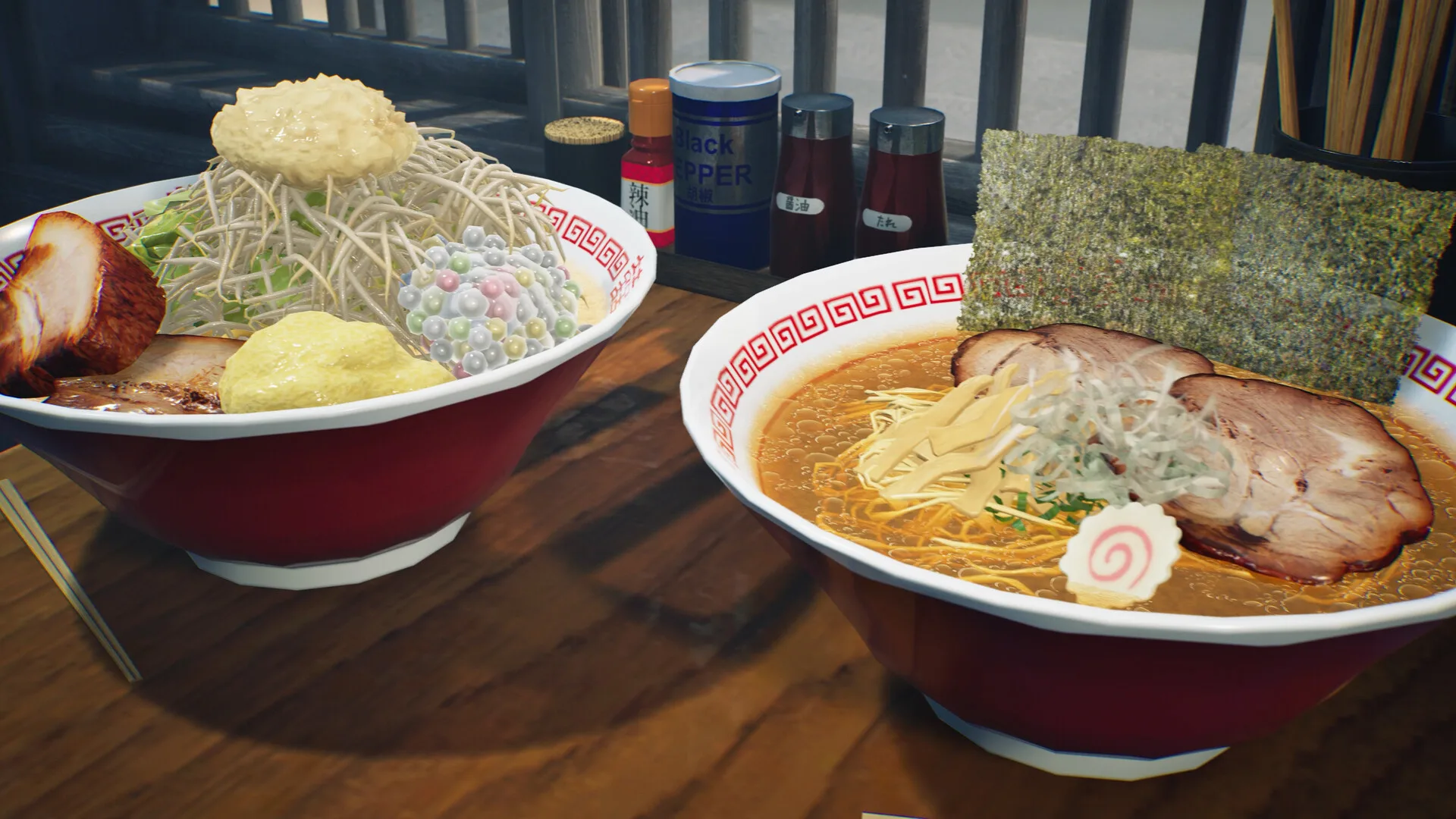
- Japanese Ramen Simulator reaction coverage focuses on cooperative chaos and satisfying cooking loops.
- Up to 6 players can run one ramen shop together, driving most viral reaction moments.
- 88% positive Steam reviews at Early Access launch on October 9, 2026.
- 10 languages supported, including English, Japanese, Simplified Chinese, and Korean.
- Best reactions come from clear role splits and prepped kitchens, not rushing orders.
Why Japanese Ramen Simulator Reactions Went Viral
A Japanese Ramen Simulator reaction video usually captures the same core moment: a small team of friends scrambling to cook noodles, assemble bowls, and serve a growing line of customers before everything descends into cheerful kitchen chaos. Developed and published by Wild Dog, the game entered Steam Early Access on October 9, 2026, and quickly earned an 88% positive user rating.
The game supports solo play and online cooperation for up to six players, which is the configuration most reaction creators choose. Watching six people fail to coordinate a simple bowl of ramen is inherently watchable, and the game rewards teams that recover from that chaos with faster, cleaner service.
Video Highlights from the Official Announcement Trailer:
- Shows six-player cooperative ramen shop management
- Demonstrates divided cooking responsibilities and shared service duties
- Highlights recipe creation and shop customization systems
The strongest reactions tend to cluster around a few repeatable moments. The table below summarizes what content creators respond to most.
| Reaction Moment | What Happens | Why Viewers Love It |
|---|---|---|
| First rush hour | Multiple orders arrive at once | Visible panic and quick thinking |
| Role confusion | Two players grab the same noodles | Relatable co-op mistakes |
| Perfect service | Clean bowl matching and fast delivery | Satisfying payoff after chaos |
| Custom menus | Teams invent original ramen recipes | Creative and comedic outcomes |
Teams that assign roles before opening the restaurant produce both better reactions and better service. Communication, not speed, is the real skill being tested.
Solo vs Co-op: Which Reaction Plays Better
Reaction content differs sharply depending on player count. Solo play emphasizes workflow mastery and calm efficiency, while six-player sessions lean into comedy and coordination failures. Both are valid ways to experience the game.
| Factor | Solo Play | 2-3 Players | 6 Players |
|---|---|---|---|
| Pace | Methodical | Balanced | Frantic |
| Main challenge | Task juggling | Zone division | Full coordination |
| Mistake cost | High | Medium | Spread across team |
| Reaction appeal | Skill showcase | Steady teamwork | Chaos comedy |
| Best for | Guide content | Casual streams | Group videos |
Solo Operator
- Fixed personal workflow
- Prep before every rush
- Short movement routes
Small Team
- Split prep and serving zones
- Parallel routes avoid collisions
- Shared ingredient storage
Full Six-Player Crew
- Dedicated stations per player
- Open central walkway
- Announce station changes
Groups that let everyone do every job create bottlenecks at the noodle and assembly stations. Assign a service coordinator, a prep worker, and at least one cook before opening.
How to Play for the Best Reaction Moments
If you are recording your own Japanese Ramen Simulator reaction session, prepare the kitchen before hitting record. Follow this sequence to maximize both entertainment value and service quality.
Set Up Roles First
Decide who handles orders, prep, cooking, assembly, serving, and cleaning. In smaller groups, combine roles, but never leave service unassigned.
Prep Before the Rush
Gather noodles, broth components, and common toppings before customers arrive. Pre-preparation prevents the dead time that kills both service speed and watchability.
Cook and Assemble in Order
Process noodles, combine with the selected broth, add requested toppings, and verify the bowl matches the order. Accuracy prevents rework that stalls the kitchen.
Serve and Reset Immediately
Deliver the bowl, then loop straight back to restock or clean. A consistent serve-and-reset rhythm keeps momentum through busy periods.
Debrief Between Services
After the rush, adjust layouts, reassign roles, and fix whatever caused the biggest jam. Improvements between sessions make for satisfying progress arcs on camera.
Capture the first rush hour of each session. It delivers the highest density of genuine reaction moments while the team is still learning coordination.
Gameplay Systems That Drive Reactions
Three systems generate most of the memorable moments players talk about in reactions: recipe creation, kitchen layouts, and staffing decisions. Each one rewards planning but produces comedy when neglected.
| System | What It Adds | Reaction Outcome When Ignored |
|---|---|---|
| Recipe creation | Custom noodle, broth, topping combos | Bland menus, slower earnings |
| Kitchen layout | Station placement and movement routes | Constant collisions and congestion |
| Staff hiring | Automated cleaning and dish handling | Players stuck washing dishes mid-rush |
Ingredient quality by restaurant stage also shapes reactions. Early kitchens rely on fast, simple staple combinations, while developed restaurants can support complex specialty menus with longer preparation chains. Players who jump straight to complicated recipes in a cramped early kitchen are the ones producing the most frustrated, and most watched, reaction clips.
As an Early Access title, the game receives ongoing updates based on community feedback. Balance changes may affect ingredient rankings and staffing value, so recheck strategies after each patch.
Reaction Session Checklist
Use this checklist before recording a group session to guarantee strong footage and smooth gameplay.
Before You Hit Record:
- Assign all six co-op roles before opening
- Prep noodles, broth, and common toppings
- Clear the central kitchen walkway
- Agree on communication callouts for orders
- Plan one custom recipe to test on camera
Track new content through the official Steam community hub and the Wild Dog Discord, where Early Access updates and event announcements are posted first.
FAQ
Q: How many players does Japanese Ramen Simulator support?
The game supports solo play and online cooperation for up to six players, which is the setup most Japanese Ramen Simulator reaction videos use for maximum kitchen chaos.
Q: When did Japanese Ramen Simulator release?
It entered Steam Early Access on October 9, 2026, developed and published by Wild Dog, with an 88% positive user rating at launch.
Q: Is Japanese Ramen Simulator solo-friendly?
Yes. Solo play replaces team coordination with a fixed personal workflow: prep ingredients before the rush, cook and assemble in order, and keep movement routes short.
Q: What causes the funniest co-op reaction moments?
Most viral moments come from role confusion, such as two players grabbing the same noodles or an unserved order sitting while the team restocks. Clear role assignment reduces these errors.